Why Can't You Swim With Dolphins Anymore?
Dolphin swimming near Adelaide has not been banned. The 2025 South Australian marine mammal rules set approach distances, and paid swims run only with licensed operators. Here is what changed and what you can still book.
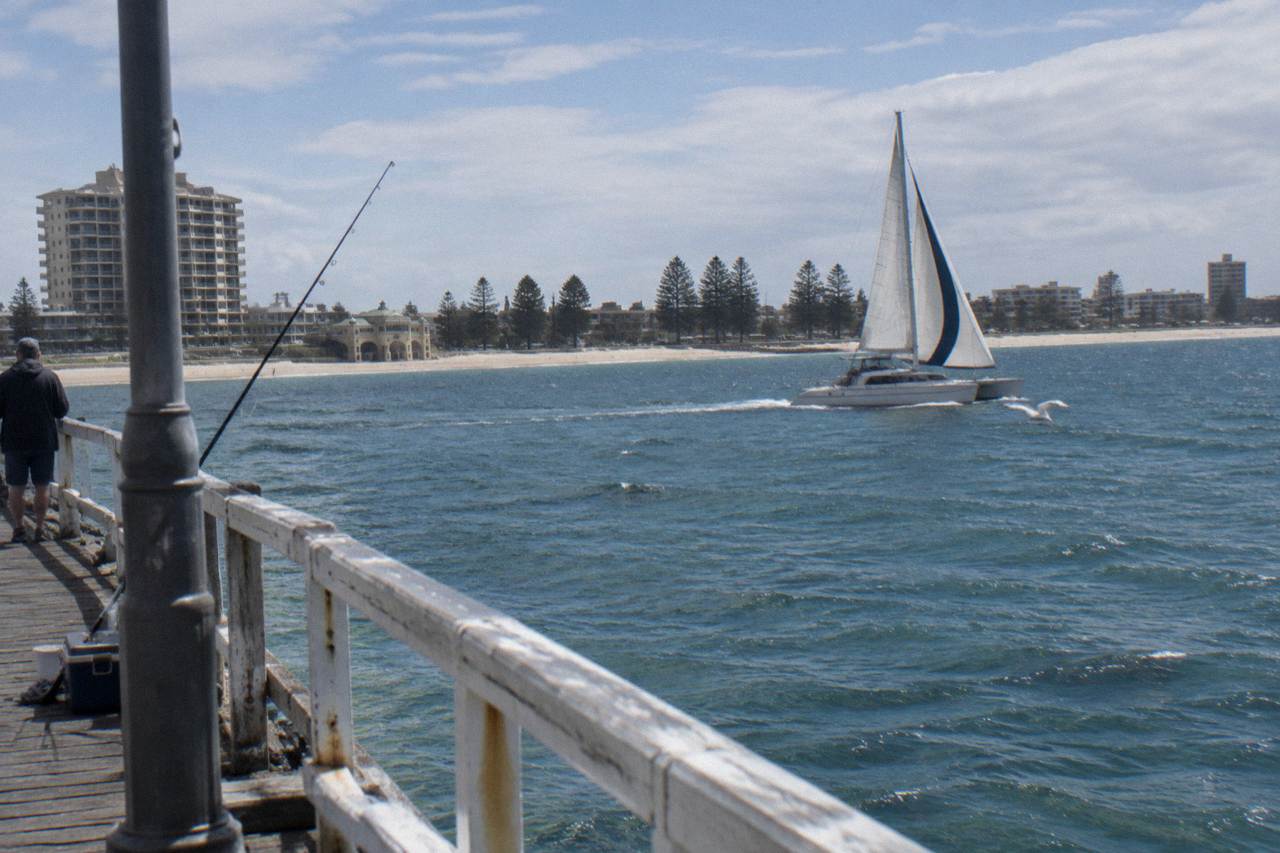
No law bans swimming with dolphins in South Australia, but the rules around it were replaced in 2025, which is why many people believe the activity ended. Swimming with wild dolphins remains legal there. New marine mammal regulations took effect on 1 September 2025, replacing the 2010 rules, so private swimmers now face firm approach distances and paid dolphin swims run only when a licensed operator holds the permit. To see exactly what the new rules allow and which Adelaide tours still sell swims, the plain-English guide to dolphin swims around Adelaide compares the options.
The confusion is understandable. Search results still surface old swim offers, news coverage of the algal bloom ran for months, and the new regulations took effect in September. A reader piecing that together could easily conclude the activity had been shut down. It has not been. What exists now is a legal frame around who may run a swim, how close anyone may get, and what a dolphin trip looks like when a swim is not on the menu.
The honest headline is this: you can still swim with wild dolphins near Adelaide on a licensed trip, you can watch them from a boat almost anywhere along the coast, and you cannot legally freelance a close encounter on your own. This page explains each of those three statements in turn, with the actual regulation text, the real tours that sell a swim, and the watch-only alternatives that fill the gap for most travellers.
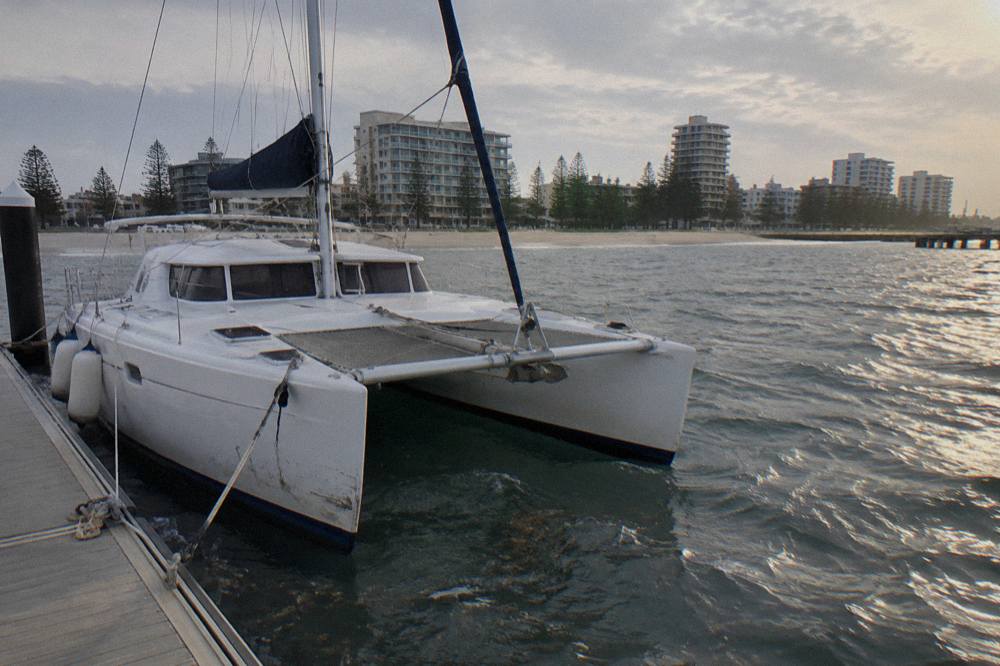
Two trips covered here sell a dolphin swim. The first is the Temptation Sailing wild dolphin swim cruise from Glenelg, about 4 hours, rated 4.7 from over 400 reviews, from $106 per person. The second is the Kangaroo Island Ocean Safari swim and snorkel safari from Penneshaw, about 2 hours, rated 4.7 across 286 reviews, from $136.81 per person, and that trip frames its swim as dolphins or seals or a coastal snorkel, with wildlife interactions expressly not guaranteed. Every other trip on this beat is a watching or paddling experience, and several of them say so plainly in their own terms.
Is It Illegal To Swim With Dolphins In Adelaide?
No, swimming with dolphins in Adelaide is not illegal, and there is no indication it ever became illegal. Dolphin swimming operates as a licensed activity in South Australia, with permits and rules protecting the animals rather than banning the experience outright. Swimmers must follow regulated conditions, but the activity itself remains a legal and popular option for visitors to Adelaide's waters. Under the National Parks and Wildlife (Protected Animals, Marine Mammals) Regulations 2025, a paid trip that takes swimmers near dolphins must operate under a Ministerial permit, which in practice means licensed operators only, and there are two of those departures covered here. A private swimmer is not forbidden to be in the water, but the same rules set hard distances: no closer than 30 metres to a dolphin, and 150 metres if the animal is a calf, disturbed, sick or entangled. That combination, permit-only commerce plus firm private distances, is what reads as a crackdown without actually being one. Before you book anything, the guide to swimming with dolphins safely in Adelaide explains the approach distances, licensed tour options and health cautions worth knowing.
The regulation that matters is regulation 19. It prohibits anyone, for fee or reward, from using a vessel or other means to take another person into the vicinity of a marine mammal to observe it or swim near it, unless that activity is authorised. The Act behind the rules allows such acts only with a permit. So the commercial side of dolphin swimming is a permitted activity, not a forbidden one, and the operators who hold that authority are the ones whose swim pages you can still book.
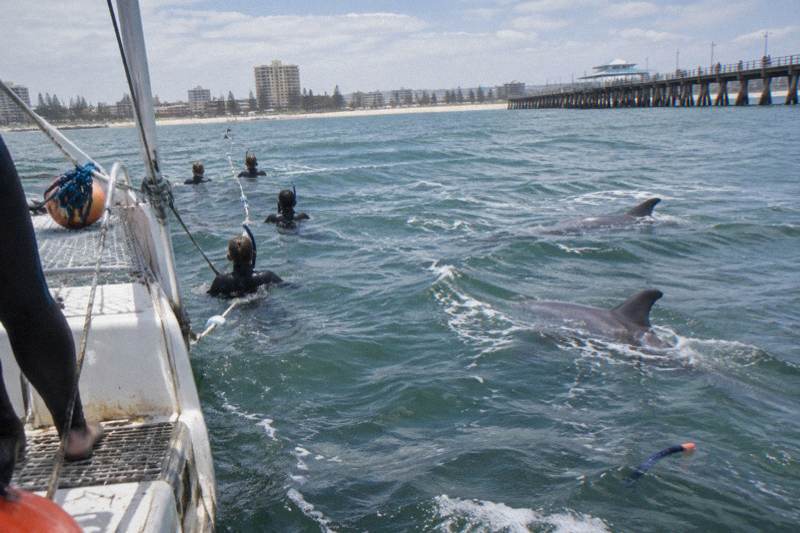
The full text of the 2025 Regulations is published by the South Australian legislation office, and it is worth reading the swimmer provisions yourself if the detail matters to your trip. The rules also ban feeding and touching marine mammals outright. A dolphin can approach you of its own accord, but you must not close the distance yourself, which is exactly how the licensed swim trips are structured: swimmers hold a flotation line and the dolphins choose whether to come near.
That structure is why the Temptation Sailing swim cruise describes its experience as fully controlled rather than free swimming. Swimmers hold a line alongside the catamaran, front and back positions rotate through the group, and the dolphins decide the encounter. Temptation Sailing says it was the first vessel in South Australia licensed to swim with dolphins and has run swim and watch tours from Glenelg since 2002.
Wondering whether the licensed swim is right for you?
How Close Can A Boat Get To Dolphins In South Australia?
Boats in South Australia must stay at least 50 metres from dolphins at all times, and that minimum distance rises to 150 metres whenever a calf is present or the dolphins show signs of disturbance, so these two distances shape how every cruise in these waters can approach and observe them. Jet skis and other prescribed vessels, including water-ski boats, parasail boats and hovercraft, must stay 300 metres away. Whales carry their own distances: 100 metres for ordinary vessels, 300 metres in a calf situation or inside a protection area such as Encounter Bay. Each of these figures comes directly from the 2025 Regulations, and skippers on permitted tours work to them every day.
Inside the 150 metre zone the conduct rules tighten further. A vessel may not anchor, may not approach head-on or tail-on, must not exceed 4 knots, must not move between one dolphin and another, and may not remain within the zone longer than 60 minutes. If a dolphin approaches the boat, the skipper keeps position or moves away rather than chasing. When dolphins bow-ride, the vessel holds its direction and speed and slows gradually. All of this shapes what a cruise feels like: a permitted boat works the encounter at the animals' pace.
For swimmers, the equivalent numbers are 30 metres minimum and 150 metres for a calf or a disturbed animal, with a 30-minute cap on remaining close. Nobody on a licensed tour needs to track these numbers themselves, because the crew manage the encounter, but a private snorkeller or swimmer off a metropolitan beach does. The water is not closed; the distance rules apply to anyone in it.
The SA Government's own public summary puts it in one line: a dolphin can approach you, but you must not attempt to get closer than 50 metres from a dolphin by vessel, or 150 metres from a dolphin with a calf. The same thinking applies whether you are on a charter out of Glenelg or a tinny in the Port River.
Why Did The Rules Change In 2025?
The rules changed in 2025 because the 2025 Regulations replaced the 2010 rules, and they took effect on 1 September 2025. What made it visible to travellers was timing: it landed in the same year as a Karenia algal bloom that disrupted coastal tourism, and the two stories blurred together in casual reading. Separating them matters, because one is the law and the other an environmental event that agencies continue to monitor.
The bloom story is separate and worth one clean paragraph. South Australian testing shows zero or low Karenia along the metropolitan coast, and the government's bloom tracking page records that the vast majority of the state's coastline has shown zero or low levels since February 2026. Agencies continue to monitor while staying alert to future blooms, so no official source calls the event finished. The practical advice from the same site is to avoid foamy or abnormally coloured water and rinse after contact. If a swim is the point of your trip, check the operator's notice before you book, because an algal notice can affect swim departures more than watch departures.
Neither story is a ban. The regulations define how encounters happen, and the bloom is an environmental event that agencies continue to monitor, with testing showing zero or low Karenia.
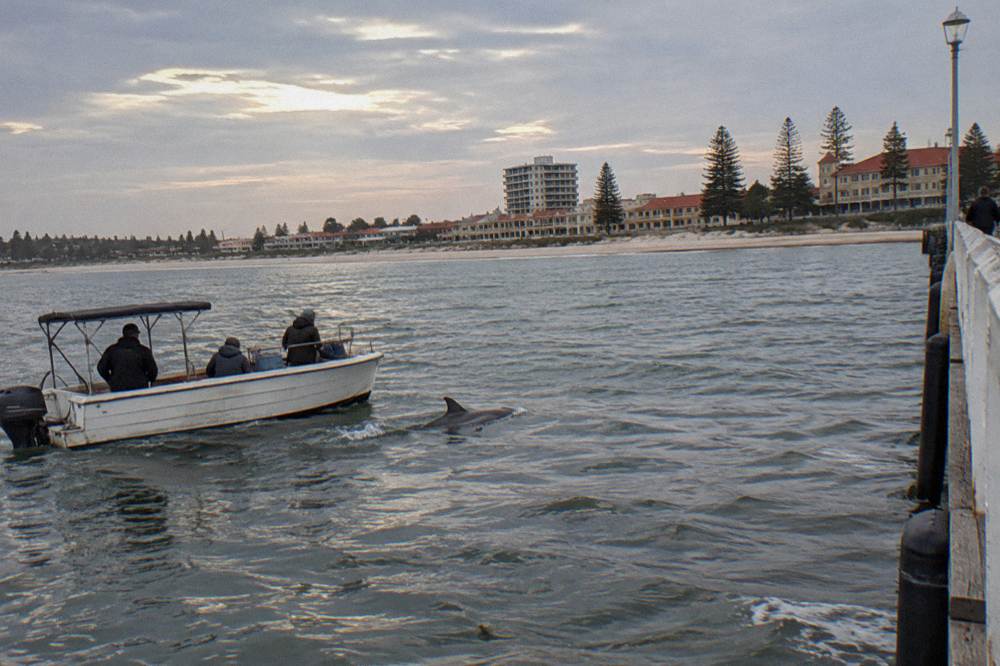
Can You Still Book A Dolphin Swim Near Adelaide?
Yes, you can still book a dolphin swim near Adelaide, and exactly two tours sell one. Both options let you get in the water with wild dolphins, so you have a genuine choice rather than a single operator. If swimming with dolphins near Adelaide is on your list, you can book one of these two tours today. The Temptation Sailing wild dolphin swim cruise from Glenelg runs about 4 hours, from $106 per person, rated 4.7 from over 400 reviews, with wetsuit and snorkel gear included and group size capped at 26. The Kangaroo Island Ocean Safari swim and snorkel safari runs about 2 hours from Penneshaw, from $136.81 per person, rated 4.7 across 286 reviews, capped at 20 swimmers, with free cancellation up to 24 hours before the start. Both are licensed operations, and both remain bookable today.
| Trip | Departs | Duration | From (pp) | Rating | Swim | Group max |
|---|---|---|---|---|---|---|
| Temptation Sailing wild dolphin swim cruise | Glenelg | About 4 hours | $106 | 4.7, over 400 reviews | Yes | 26 |
| Kangaroo Island Ocean Safari swim and snorkel safari | Penneshaw | About 2 hours | $136.81 | 4.7, 286 reviews | Yes | 20 |
| Temptation Sailing wild dolphin watch cruise | Glenelg | About 4 hours | $59 | 4.8, over 300 reviews | No | Check the booking page |
| Port River cruise from McLaren Parade | Port Adelaide | 1.5 hours | $61.65 | 4.5, over 400 reviews | No | Check the booking page |
| Adventure Kayaking SA dolphin sanctuary kayak tour | Garden Island | About 3 hours | $54.72 | 4.8, 300 reviews | No | 12 |
The two swims are different animals. The Glenelg trip is a dolphin-focused cruise on a catamaran: the operator's own text says you are guaranteed to see dolphins, though it prints no refund terms around that wording, and the swim itself is a controlled line swim rather than free swimming. The Kangaroo Island trip is a snorkelling safari where the swim may be with dolphins, or among seals, or a coastal snorkel, depending on conditions and the wildlife on the day, and its own description states plainly that wildlife interactions are not guaranteed.
If your heart is set on the swim, the guide to swimming with dolphins in Glenelg covers the Glenelg departure in detail, and the Kangaroo Island dolphin swim guide does the same for Penneshaw. Reaching Kangaroo Island is your own arrangement, a ferry crossing the traveller books separately. One more practical note: the operator says children under 9 may not swim on the Glenelg cruise but may watch, and the Kangaroo Island swim recommends the session for over 9s rather than setting a hard minimum.
What Changed At Glenelg For Dolphin Swimmers?
Glenelg still offers both a dolphin swim cruise and a dolphin watch cruise, run by the same operator departing from Holdfast Shores, so the swim experience has not disappeared from the beach suburb. Both options run side by side, so swimmers can get in the water while other visitors stay on board and watch from the boat. The swim cruise costs from $106 per person for about 4 hours, rated 4.7 from over 400 reviews. The watch cruise costs from $59 per person, rated 4.8 from over 300 reviews, and its own wording promises guaranteed dolphin sightings, with money back if no dolphins are spotted, wording the swim cruise does not carry. The watch trip's terms also list swimming as not allowed, so nobody should book it expecting to enter the water.
That pairing answers the most common version of this question. Readers who remember a Glenelg swim, then see the cheaper watch cruise in search results, sometimes conclude the swim was cancelled. It was not. Both departures exist side by side from the same marina precinct, meeting at Holdfast Shores: the swim cruise at Holdfast Promenade, the watch cruise at Marina Pier by the ramp. Choosing between them is covered in full in the swim or watch comparison for Adelaide.
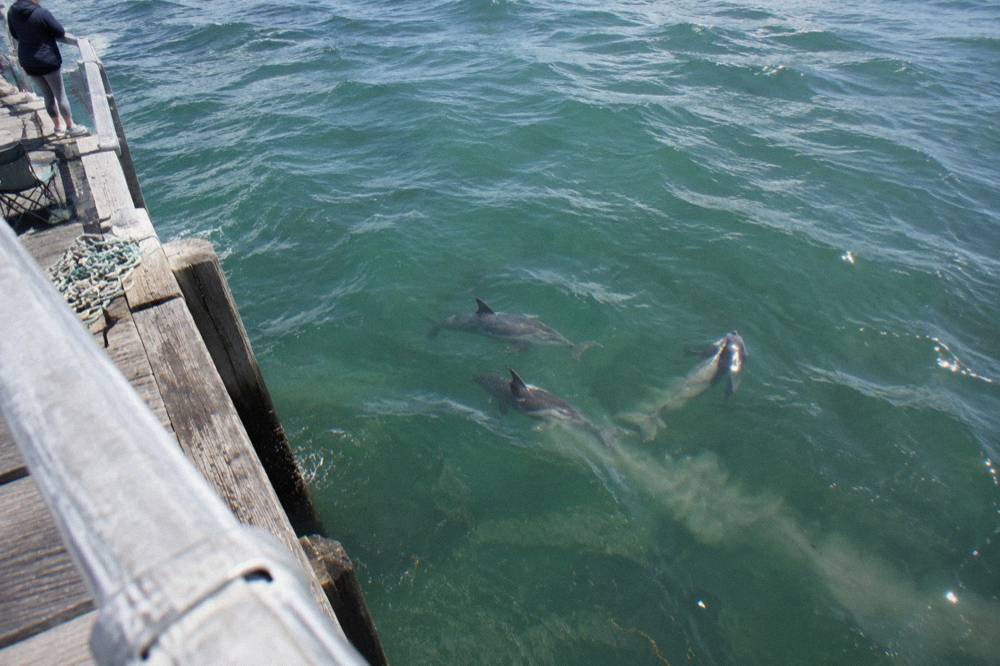
What genuinely did narrow at Glenelg is the freelance option: a private swimmer off Glenelg Beach is bound by the 30-metre approach rule, which in practice ends any hope of a close encounter without a permit holder. The dolphins themselves are still there: the operator reports watching Indo-Pacific bottlenose and short-beaked common dolphins on its Gulf St Vincent runs.
What About Swimming In The Port River And The Adelaide Dolphin Sanctuary?
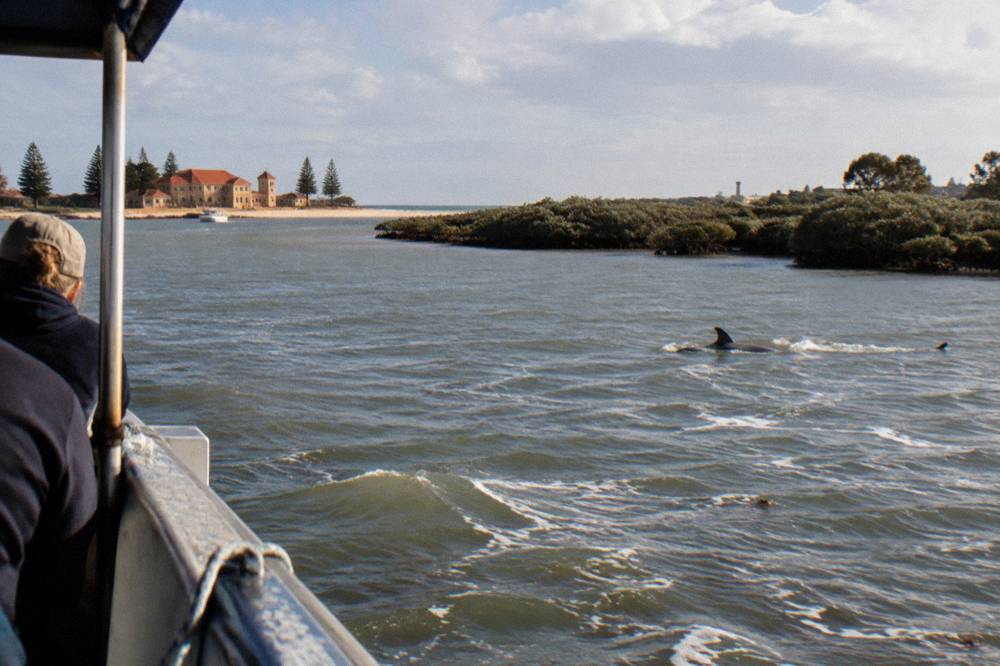
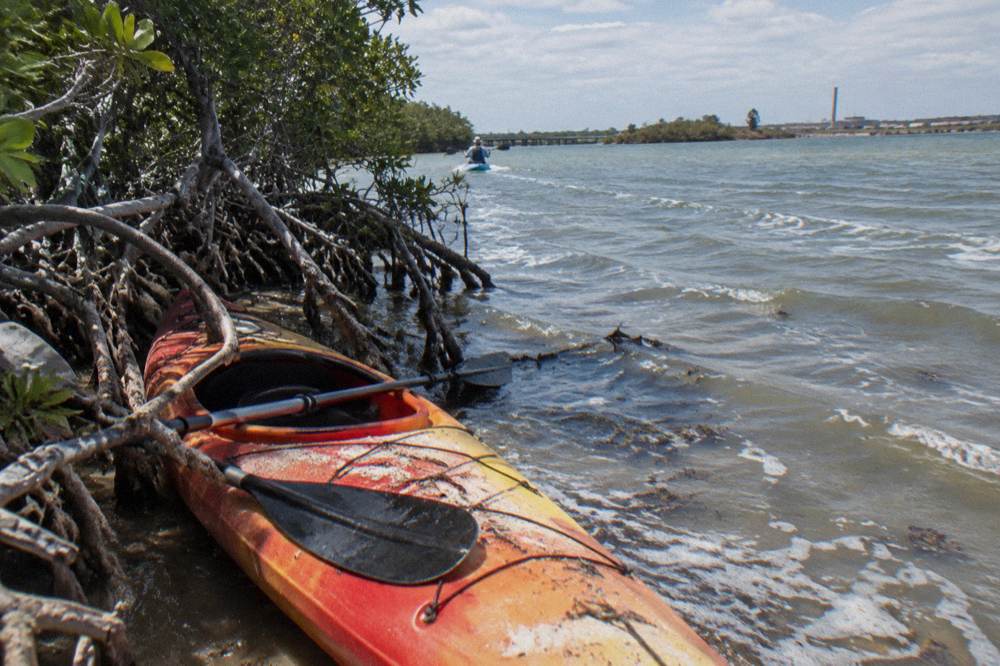
No, swimming with dolphins is not an option in the Port River or the Adelaide Dolphin Sanctuary. These are waters for watching and paddling rather than swim trips, and no cruise or kayak tour operating out of Port Adelaide sells any kind of dolphin swim experience, so visitors should plan on spotting dolphins from a boat, kayak, or the shore instead. What the sanctuary offers instead is unusually accessible wildlife watching inside a city. The sanctuary covers 118 square kilometres of water, mangroves, saltmarsh and tidal creeks, with around 20 resident Indo-Pacific bottlenose dolphins and some 400 more observed using the area over time, and it sits about a 20-minute drive from the city centre. Boats and kayaks are the sanctioned way to meet those dolphins.
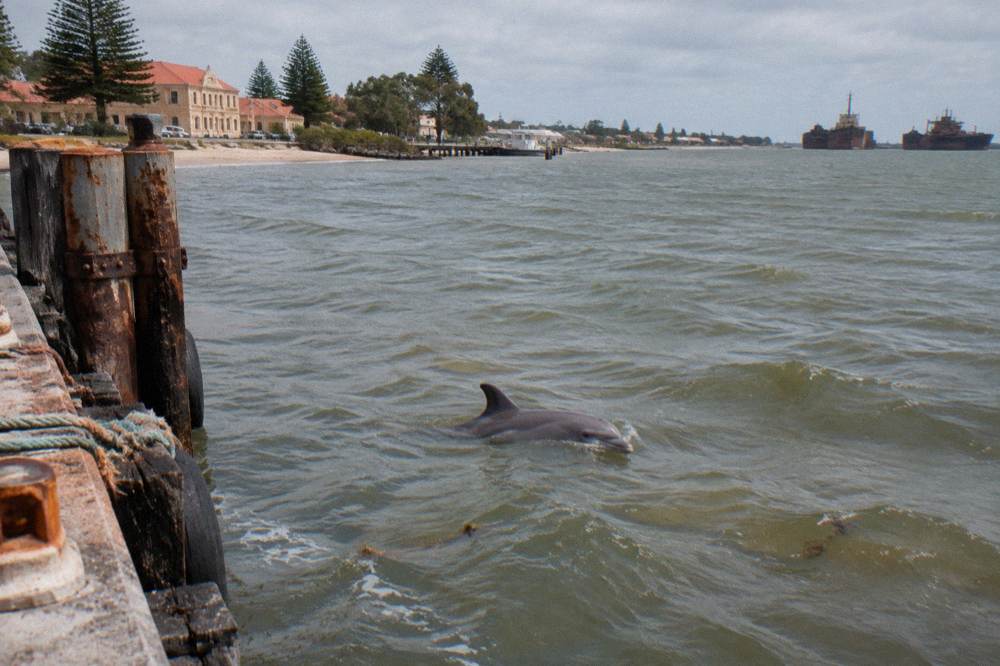
Boats cruise past a ships' graveyard holding the remains of at least 40 vessels scrapped in the first half of the twentieth century, and kayaks thread the mangrove creeks that the government estimates at around 10,000 years old. The Port River cruise from McLaren Parade, 1.5 hours from $61.65 per person and rated 4.5 from over 400 reviews, says in its own description that sightings cannot be guaranteed, which is the honest baseline for any wild-animal trip.
The sanctuary's most famous resident needed no tour at all. Billie, a Port River dolphin rescued in 1988 after becoming trapped in a polluted marina, learned to tail-walk after her recuperation and kept doing it back in the wild until her death in 2009, and other dolphins copied her. The Kaurna names for the area, Yartabulti for Port Adelaide and Yambu for dolphin, are printed on the sanctuary's own materials. The guide to Adelaide Dolphin Sanctuary cruises walks through the boat options, and the kayak tours guide covers the paddle side.
Is Kangaroo Island Different From Adelaide For Dolphin Swimming?
Yes, Kangaroo Island differs from Adelaide for dolphin swimming, because the island holds the second swim and structures it as a snorkelling safari rather than a dedicated dolphin swim. Its own terms stay blunt about the odds of actually getting in the water with dolphins, so the experience and expectations you sign up for are not the same as Adelaide's offering. The Kangaroo Island Ocean Safari swim and snorkel safari runs about 2 hours from Penneshaw, from $136.81 per person, rated 4.7 across 286 reviews, with wetsuits, masks, snorkels and life jackets included, free cancellation up to 24 hours before the start, and up to 20 swimmers per departure. Its description states that the swim may turn out to be dolphins, seals or a coastal snorkel, and that wildlife interactions are not guaranteed.
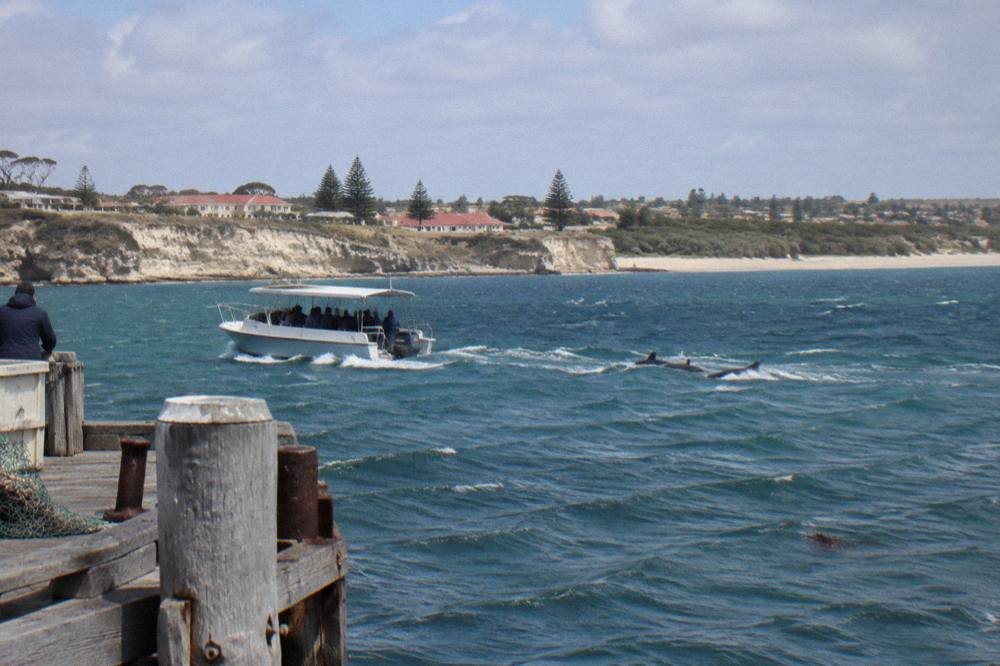
The same operator runs a 75-minute coastal safari from Christmas Cove Marina, from $61.74 per person, rated 4.8 across 639 reviews, the most reviewed trip covered on this site. It is a watching trip, no swim, and it is also the one departure here with non-refundable terms: the price holds only a weather clause, where a weather cancellation gives an alternative date or a refund. Every other trip named on this page offers free cancellation up to 24 hours before the start, except the two Temptation cruises, whose pages do not state cancellation terms.
The contrast between those two Kangaroo Island departures is a tidy summary of the whole article. The watch safari is cheaper, shorter and more reviewed; the swim safari costs more than double and still cannot promise dolphins in the water, because the rules and the wildlife both forbid it. The operator says bottlenose pods live close to the coast at Penneshaw and common dolphins work the wider coastline, which is why the trip works at all. The Kangaroo Island blog post on swimming unpacks the swim safari line by line.
Can You Watch Dolphins Without Swimming And Still Have A Good Trip?
Yes, you can absolutely enjoy dolphins without swimming, and for many travellers the watching option is the smarter choice. It tends to cost less than in-water encounters, draws plenty of detailed reviews from past visitors, so skipping the swim rarely means settling for a lesser trip. Watch boat trips run from $38 to $61.74 per person and kayak trips from $38.59 to $54.72, while the two swims sit at $106 and $136.81. The cheapest dolphin-led trip of all is the Adventure Kayaking SA mangroves kayak tour at $38.59, rated 4.6 across 66 reviews, and the cheapest dolphin boat trip is the Temptation Sailing watch cruise at $59, which also carries that money-back sighting promise in its own wording.
Paddling deserves a special mention because it answers the closeness question within the law. A kayak drifts quietly, keeps its distance under the same rules, and lets dolphins choose to approach, which in the sanctuary's calm tidal creeks they sometimes do. The Adventure Kayaking SA dolphin sanctuary and ships graveyard kayak tour, about 3 hours from $54.72 and rated 4.8 across 300 reviews, takes up to 12 paddlers from age 8 with a guide, and free cancellation up to 24 hours before the start. The longer Dolphin Sanctuary Kayak Tours eco trip, 3 hours from $54 and rated 4.6 from over 600 reviews, is led with a marine biologist and runs to a minimum age of 10.
At Victor Harbor, two Big Duck Boat Tours cruises round out the watch options: a 45-minute Seal Island cruise from $38, the cheapest trip covered here and a seal-first outing where dolphins are only possible, and a 1.5-hour Southern Ocean Adventure cruise from $58 on a rigid-hulled inflatable with live commentary, spray jacket and onboard bathroom. Between May and November southern right whales pass through Encounter Bay, with July and August the most reliable months in that operator's experience, though whale sightings cannot be guaranteed either. The Victor Harbor dolphin cruise guide covers both.
Whichever watching format you lean toward, these three departures cover the watching side.
Common Questions About Swimming With Dolphins In Adelaide
Why Can't You Swim With Dolphins Anymore?
You can. Swimming with wild dolphins was not banned in South Australia. The 2025 Regulations, in force from 1 September 2025, require paid swims to run under a licensed operator's permit and set firm approach distances for private swimmers, so unlicensed close encounters are off the table but licensed swim trips continue.
Is It Illegal To Swim With Dolphins In South Australia?
No. A private swimmer may legally be in the water but may not move closer than 30 metres to a dolphin, or 150 metres for a calf or a disturbed animal. A paid trip that takes swimmers near dolphins must operate under a Ministerial permit, which means licensed operators only.
Which Tours Still Sell A Dolphin Swim Near Adelaide?
Two. The Temptation Sailing wild dolphin swim cruise from Glenelg, about 4 hours from $106 per person, and the Kangaroo Island Ocean Safari swim and snorkel safari from Penneshaw, about 2 hours from $136.81 per person, where the swim may be with dolphins or seals or a coastal snorkel.
How Close Can A Boat Get To Dolphins?
Ordinary vessels must keep 50 metres from dolphins, or 150 metres if a calf is present or the dolphins show signs of disturbance. Jet skis and other prescribed vessels must keep 300 metres. Inside 150 metres a vessel may not exceed 4 knots or stay longer than 60 minutes.
Did The Algal Bloom Stop Dolphin Swimming?
No. South Australian testing shows zero or low Karenia along the metropolitan coast, and the vast majority of the state's coastline has shown zero or low levels since February 2026; monitoring continues. Check the operator's notice before a swim, and avoid foamy or abnormally coloured water, but the bloom is not a closure.
Can I Swim With Dolphins In The Port River Or The Adelaide Dolphin Sanctuary?
No tour there sells a swim. The Port River cruises and the Dolphin Sanctuary kayak tours are watching and paddling trips, and the sanctuary's dolphins, around 20 residents plus hundreds more observed over time, are encountered from the deck or a kayak under the standard distance rules.